ACE Programs
Academy of Creative Enlightenment
What lies before us and what lies behind us are small matters compared to what lies within us, and when you bring what is within out into the world, miracles happen.
Henry David Thoreau
ACE-eLearn online courses are guided by experienced, compassionate, accomplished Mentors, who design, establish an outline, and provide the learning criteria for students to develop the skills and understanding in hands on experiential meaningful experiences … in the world around them … not on the computer.
The following is an outline of the ‘subject’ areas within the curriculum, which are intertwined and infused with the Arts.
If art is to nourish the roots of our culture, society must set the artist free to follow his vision wherever it takes him.
John Fitzgerald Kennedy
The foundation of all life is Consciousness. We discover an understanding of life via wonder and a conscious quest of knowledge. This is also the fundamental foundation of life at ACE School. As a child experiences a dramatic moral and spiritual growth within, s/he will easily master any scholarly subject, from their own level of understanding. We encourage children to consider the Universe from a holistic perspective, not from myopic subjects, which have little to no context.
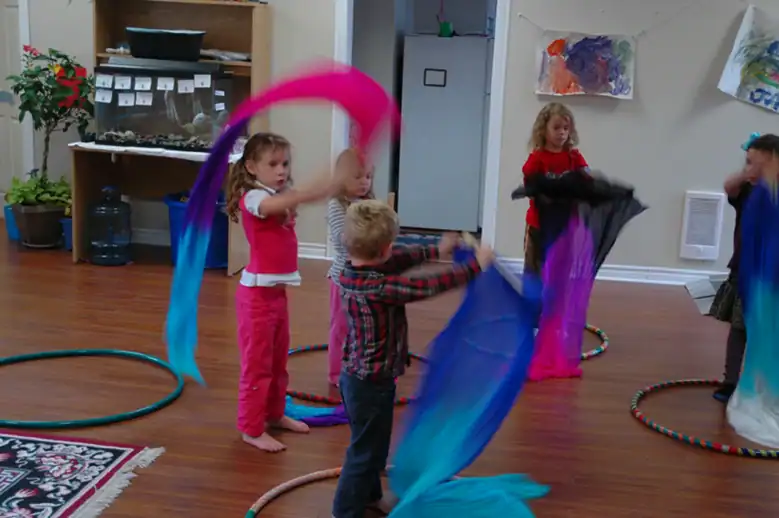
To set the tone, in a ACE classroom, each day begins with a circle, where students engage in some form of vibrational frequency or movement, which brings them into focus and harmony. This may take the form of meditation, music (chanting, song, etc.) or dance (i.e. Yoga, Pilates, etc.). Special attention is given to exercise of the physical and mental vessel … our Earthly space suit… to free the mind from obstacles and obstruction. This enables students and Mentors to develop the agility, to stretch beyond the limitations of form and mind, deepening inner self-awareness, while enabling trust in their intuition, insight and instincts.
A common area of focus, endeavour and discovery is created, as Mentors and students practice together. The practice also enhances the Mentor-student relationship, as both become sensitive to the need to reflect and express their inner awareness and conduct their learning journey, with minds and hearts meeting in the present.
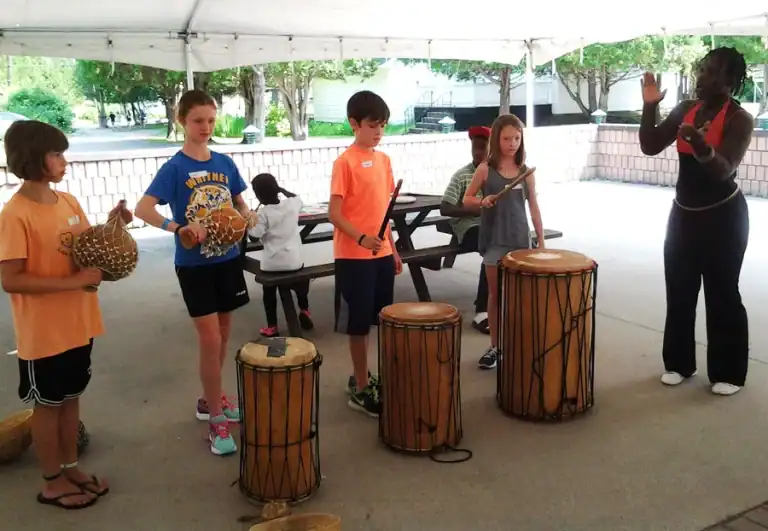
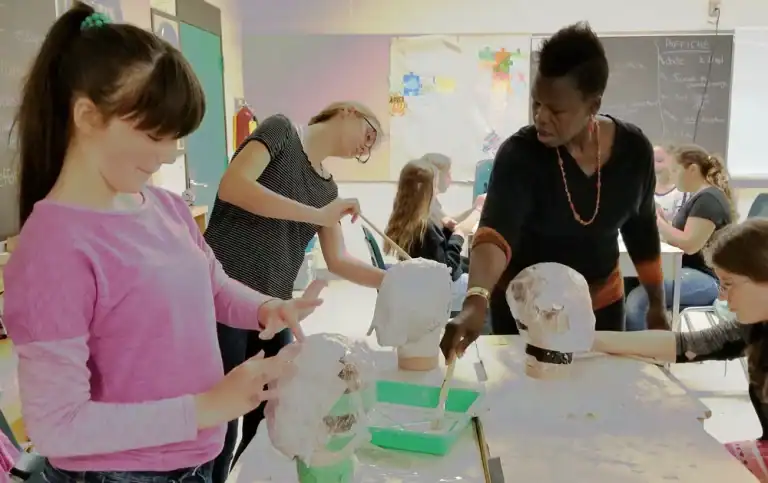
Art is the key to advanced or enlightened development for all children. At ACE, all Academia is infused with the Arts, to create a memorable engaging experience. These programs encompass Music, Theatre, Dance, Media, Fine, Visual and Culinary Arts. Art studies begin with the introduction of creative tools, skills and concepts. In the early grades, students explore the fundamentals of art in the world around them, while learning how to express and communicate their immediate environment, experiences and interests, through visual imagery. Students engage in creative activities (drawing, painting, printmaking, sculpting…) and experiment with a variety of tools and materials. They observe, describe and appreciate how artists use the elements and principles of design in their works, to create art that tell stories that express thoughts, feelings and insights.

Language development is key to communication and central to students’ intellectual, social and emotional growth. It incites curiosity and encourages us to explore and learn how to navigate through their world. Language Arts is the development of an ability to share and communicate experiences with others. Students learn to define and refine their expression of feelings and opinions as they mature, and use language in many expressive forms (prose, poetry, song, etc.) to expand, enhance and share their experiences in meaningful ways.
Students come to appreciate language, both as an important medium for communicating ideas and information, and as a source of enjoyment. Language skills are necessary to comprehend ideas and information, to interact socially, to inquire into areas of interest and study, and to express ourselves clearly, while demonstrating understanding.
Students are provided a strong foundation in the language arts and literacy program, with an emphasis on phonetics, grammar, spelling, vocabulary development and a movement through printing, cursive writing and writing – the keys to eloquent and fluid communication. They are given ample opportunity to develop, practice and hone their communications skills throughout the academics and arts programs.
Mathematics is the most misunderstood of all academics, primarily because it is actually an Art form. It is the purest and most essential element evident in the art of all Creation. Math is in everything we encounter every day. The only difference between math and the other arts, such as music, dance and painting, is that today’s society does not understand nor recognize the relationship. The reason for this is the result of teaching mathematics without a context … This is comparable to learning music, by showing children the scores and theory throughout the schooling journey, without ever playing a single note or hearing the music.
Math is essential in design, several Math constructs are applied in architecture; In culinary arts, where would chefs be without measurement for balance; Musicians would be lost without math structure for notation, rhythm, intervals, chords. Even computer technicians, television directors and editors, who require mathematics to complete their productions, are considered to be working artists. Where would we be without Math.
At ACE, Mathematics is an artistic adventure… Students are provided an excellent foundation of all the basic and complex mathematical principles, elements and concepts, in addition to a context in which to apply their studies creatively
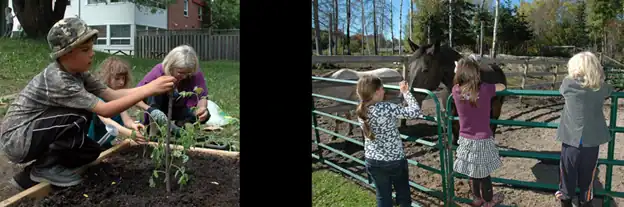
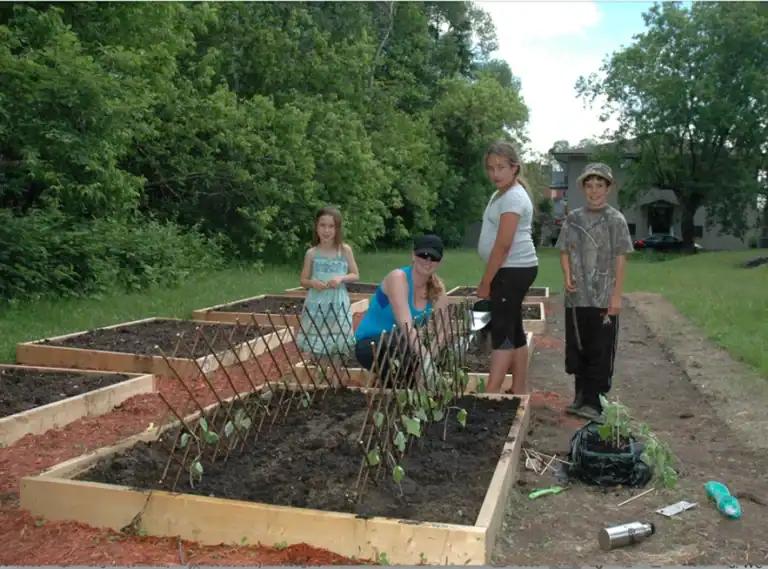
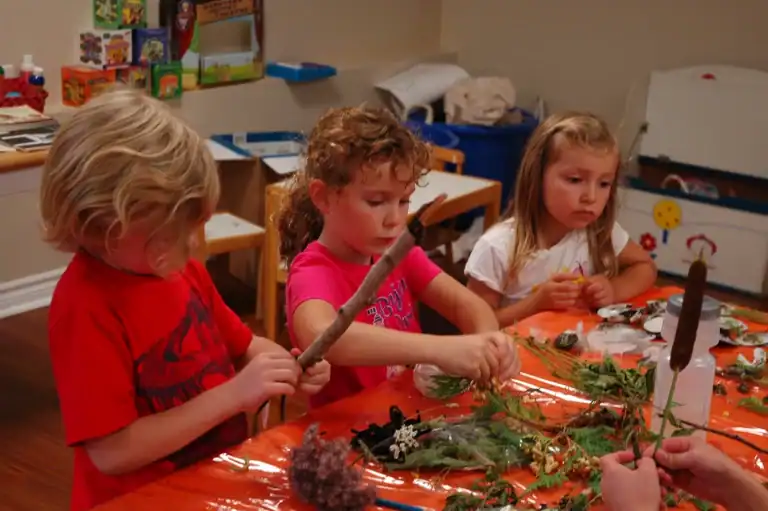
Science means ‘knowledge’, from the Greek root skhizein “to split, rend, cleave,” … Being scientific is an act of exploring the resultant whole, by breaking it down into parts and studying how each part works in unison. This implies a living experience. What we learn in the classroom is not confined to a book. In PEACE academy and ACE eLearn online, a key focus is on the environment and our interdependence with all life forms. Students engage Science studies by exploring the world around them and putting their hands in the dirt. They have an opportunity to learn about permaculture, grow their own food, while learning about renewable and sustainable energies and waste management.
Just as classroom research extends to exploration and hands on experimentation, so do the online Science studies. These will be project based, combined with math and various art forms such as music, culinary arts, nutrition, sports, dance and so on.
Science studies include Environmental, Life, Physical, Computer, Biology, Chemistry, Astronomy, Quantum Physics and Astronomy.
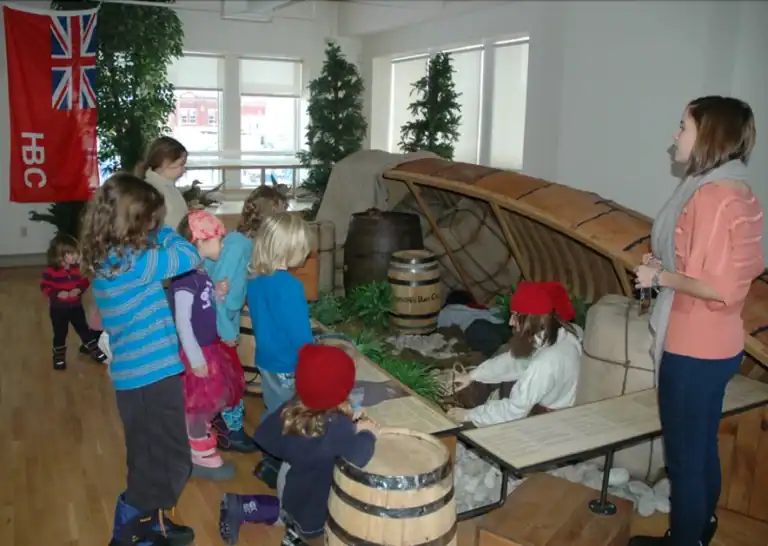
Social Studies is a complete overview of our world, from past to present. A quest to examine and understand communities, from the local to the global, their various heritages, physical systems and environments, and the nature of citizens within them. Through interactive Arts (music, drama, media, fine and culinary arts, students acquire first-hand knowledge of humankind’s existence on Earth; including change, culture, environment, power and the dynamics of the marketplace. Students learn about their homeland and the role of citizens in a democratic society, within a culturally diverse and interdependent world. The diversity, multiplicity and unique nature of world cultures are explored in relation to each students’ own community.
Students acquire skills of inquiry and communication through field studies, research projects – with the use of maps, globes, models and internet; theatre arts – acting out historic events; media arts – use of design software in their plays; and through the consideration of various forms of historical evidence. Students apply these skills to develop an understanding of their country’s identity and democratic values, to evaluate different points of view, and to examine information critically in order to solve problems and make decisions on issues that are relevant to their lives.
Good Health is a state of complete physical, mental and social wellbeing and not merely the absence of disease or infirmity. The ACE Health program, is infused with Math (measurement, division, etc), Science (environmental – gardening/aquaponics, biology, eco-systems, chemistry), Language Arts (writing, presentation), Social Studies (world culture studies), Health (nutrition), Physical Education (gardening), Culinary Arts (nutrition) and other Art programs.
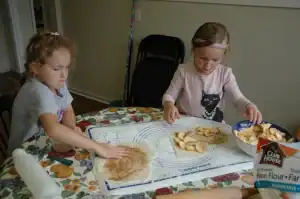
We are what we eat! The ACE Culinary Arts program motivates and empowers students to make healthy food choices from nature’s food, which is nutritious and delicious, when prepared with care and knowledge. Through hands-on nutrition education activities, students explore, prepare and enjoy fresh, affordable foods from around the globe. The heart of nutrition and meal preparation is positive experiences with healthy foods. Students learn how the body works and becomes what it eats and ingests – just as we become what we think; food for thought! They will explore nature and discover the elements and nutrients that are required to grow healthy food and the impacts on their own bodies.
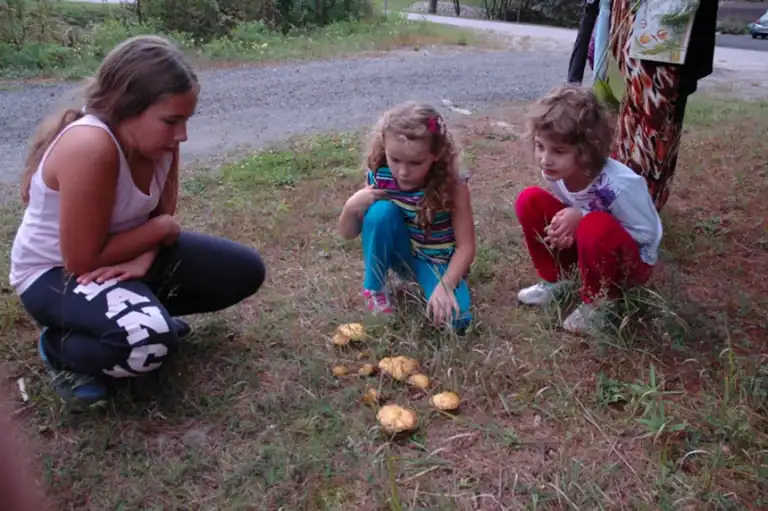
In addition to food preparation lessons, students may learn the nutritional value of food, the impact it has on their physical development, how to grow their own and where to find edible foods in the wilds.
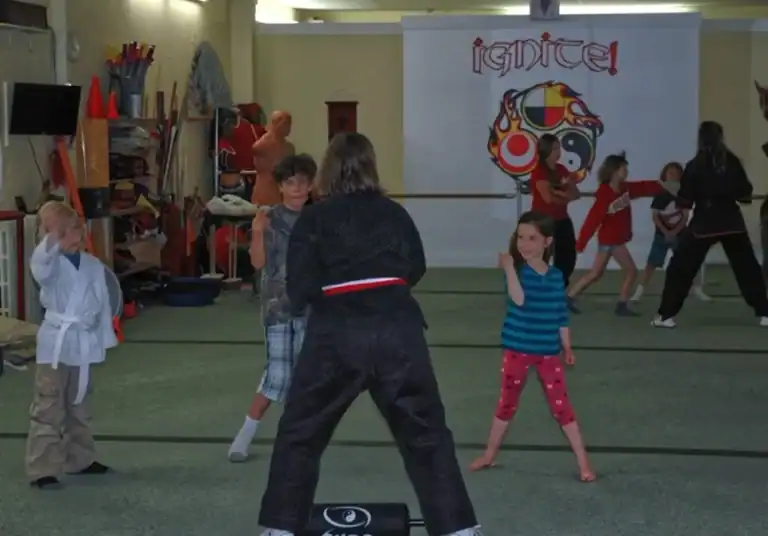
A healthy body maintains a healthy mind… Physical Education plays an important role … particularly for children who spend big blocks of time on the computer. We must exercise our bodies in order to keep our minds sharp and be able to manoeuvre through the world freely. In the Physical Education program students learn the concepts of attaining and maintaining respect, responsibility and safety, while achieving individual and group success.
Online Enrollment Procedure
For more information about registration and enrolment please download and review the ACE eLearn student handbook
Tuition Fees
The viewpoint of ACE eLearn is to provide a reasonable and affordable annual tuition and/or per course fees that includes the required content and books online, as well as videos and online classes/meetings with Faculty Mentors / Teachers. Fees will vary for individual courses, dependent on length and complexity of programs.
Fees per school year online $5000 annually – or $500 monthly installments.
Admissions & Registration
ACE eLearn online platform is open during the traditional North American school year. Mentor Teachers will be available to guide students.
For more information and to inform us of your interest, please email info@peace-school.org or phone the office at, 705-752-4785 and leave a message.
PEACE School admission for Grades K – 6 involves a letter of request, completion and submission of the registration form, an interview, and a copy of school reports for the previous two years (if applicable).